Source Washable Salon Hair Dye Cape for Salon, Home, Travel
Compare 30 listings for a washable salon hair dye cape available in various materials like nylon and non-woven fabric. Buyers can evaluate options suitable for salon, home, and travel use with customizable logos and sizes.
Key considerations
Products List


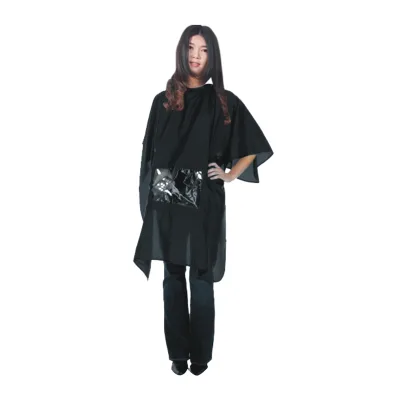
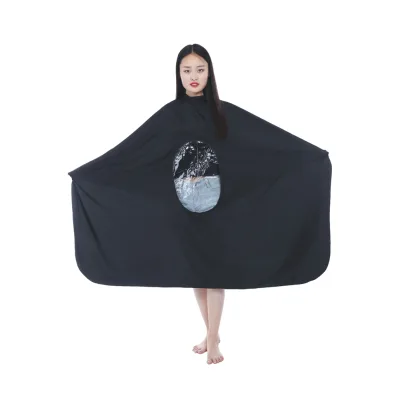
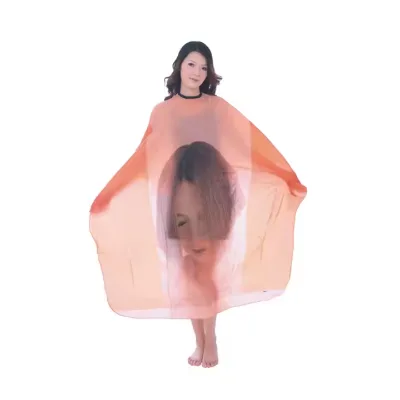


Comprehensive Sourcing Guide
Strategic Sourcing Guide for Washable Salon Hair Dye Capes
Understanding Product Variability and Material Composition
When sourcing a washable salon hair dye cape, the first critical step is recognizing that the term "washable" often conflicts with the dominant market segment of disposable capes. The supplied product data reveals a significant divergence in material composition, ranging from durable 100% Nylon and 190T polyester to disposable Polyethylene (PE), HDPE, LDPE, and Non-woven fabrics. A buyer seeking a washable solution must explicitly distinguish between a reusable garment designed for multiple cycles and a single-use item that is merely water-resistant.
The observed data indicates that while many products are labeled as "Disposable" or made from "Non-woven Fabric," there are specific entries citing "100% Nylon" and "190T" as materials. Nylon and 190T polyester are synthetic textiles known for their durability and ability to withstand repeated washing, making them the primary candidates for a true "washable" classification. In contrast, products made from "Polyethylene" or "HDPE/LDPE" are typically single-use plastic capes intended for one-time salon applications. The presence of "Environment-Friendly" attributes in the data suggests a growing market for sustainable options, but the buyer must verify if this refers to the material's recyclability or its biodegradability, as these do not inherently guarantee washability.
Furthermore, the data lists "Waterproof" and "Anti Static" as key features. For a washable cape, waterproofing is essential to prevent dye penetration, while anti-static properties help manage hair flyaway during the dyeing process. However, the "Standard" field in the provided context lists "Nylon," "190T," and "25gsm non woven" as distinct standards. The "25gsm non woven" specification is a clear indicator of a lightweight, disposable product, whereas "190T" refers to a thread count density typical of woven, reusable fabrics. Buyers must scrutinize the material specification to ensure it aligns with the requirement for longevity rather than disposability.
Technical Specifications and Dimensional Requirements
The physical dimensions of the cape are paramount for ensuring adequate coverage during hair dyeing procedures. The observed product data presents a wide range of sizes, including "118X98cm," "100X80cm," "120X100cm," and "90*115 Cm." For a washable cape intended for professional salon use, the dimensions must accommodate both adult and child clients without restricting movement. The data explicitly mentions suitability for "Children, Adults" and "Salon, Home," indicating that a versatile sizing strategy is necessary.
A comparison of the observed size specifications highlights the need for standardization in procurement:
| Product Model | Observed Size | Material Type | Suitability |
|---|---|---|---|
| AC-1101 | 118X98cm | 100% Nylon | Salon, Home |
| AC-1302 | 120X100cm | 190T | Travel, Salon, Home |
| GHPC001 | 90*115 Cm | Polyethylene | Household |
| AC-1502 | 18X17CM | Non-woven | (Likely accessory) |
The "18X17CM" dimension listed under model AC-1502 is likely a component or a specific accessory rather than a full-body cape, as it is too small for hair dyeing. Buyers should prioritize models with dimensions exceeding 100cm in length to ensure full coverage of the client's clothing. The "120X100cm" and "118X98cm" sizes appear most appropriate for general adult use. Additionally, the "Standard" field lists "190T" and "Nylon" as material standards, which often correlate with specific weight and weave densities that affect the cape's ability to hold dye without leaking.
Compliance, Certification, and Safety Standards
Safety and regulatory compliance are non-negotiable when sourcing products that come into direct contact with a client's skin and hair. The supplied data includes a specific entry for model GHHC001, which lists certifications such as "CE, ISO, FDA, SGS, 13485, etc." These are high-confidence indicators of a supplier's commitment to quality and safety. The "FDA" and "ISO 13485" references suggest that some products in the market are manufactured under medical device quality management systems, which is a robust benchmark for hygiene and safety, even for non-medical salon tools.
However, buyers must exercise caution. The presence of these certifications in the data for a specific model does not imply that all "washable" capes possess them. The "Disposable" and "Polyethylene" products listed do not explicitly reference these certifications in the provided text. Therefore, the procurement strategy must include a verification step where the buyer requests current certification documents for the specific batch of washable capes being ordered. The "Environment-Friendly" attribute mentioned in the data should also be verified against recognized environmental standards, as this term is often used loosely in marketing without third-party validation.
For washable capes, chemical resistance is a critical safety factor. The cape must not degrade or release harmful substances when exposed to hair dye chemicals, which often contain ammonia, peroxide, or other reactive agents. While the data mentions "Waterproof" and "Anti Static," it does not explicitly detail chemical resistance ratings. Buyers should inquire about the cape's compatibility with specific dye formulations to ensure that the material integrity remains intact after repeated exposure to harsh chemicals.
Cost Drivers and Economic Factors
The cost of sourcing a washable salon hair dye cape is influenced by several variables, including material type, customization options, and order volume. The observed data shows a price range of "0-5" USD, which likely reflects the low cost of disposable items. However, washable capes made from 100% Nylon or 190T polyester typically command a higher unit price due to the cost of the raw material and the more complex manufacturing process required for durable weaving.
The "MOQ" (Minimum Order Quantity) range observed is "1-100000," indicating a highly flexible market. Suppliers offering low MOQs (e.g., 1 or 100 pieces) may charge a premium per unit, while bulk orders approaching 100,000 pieces will likely benefit from significant economies of scale. The data also highlights "Customization" and "Customer Logo" availability as standard attributes. Customization, such as printing a salon's logo or selecting specific colors like "White, Black, Red, Grey," adds to the production cost. The "Logo Printing" feature is explicitly mentioned, suggesting that branding is a common requirement for professional salons.
Packaging is another cost driver. The data lists various packing configurations, such as "1PC/Bag 100PCS/Carton," "25PCS/Bag 1000/Carton," and "30 Pieces/Bag or 40 Pieces/Bags." Custom packaging requirements can increase the unit cost and lead time. Buyers should balance the need for branded packaging with the total cost of ownership, considering that washable capes are a long-term asset and may not require the same level of individual packaging as disposable items.
Supplier Evaluation and Operational Capabilities
Evaluating suppliers requires a focus on their production capabilities, origin, and ability to meet specific customization needs. The data indicates that products originate from various regions in China, including "Shangdong," "Hubei," "Zhejiang," and "Anhui." Each region may have different specializations; for instance, Zhejiang is known for textile manufacturing, which could be advantageous for sourcing high-quality 190T or Nylon capes.
The "Delivery Time" observed is "30~45 Days After Deposit," which is a standard lead time for international manufacturing. Buyers should verify if this timeline applies to custom orders or if standard stock items can be shipped faster. The "OEM" (Original Equipment Manufacturer) attribute is marked as "Yes" in the data, confirming that many suppliers are capable of producing private-label goods. This is crucial for salons looking to brand their equipment.
When evaluating a supplier, buyers should request samples to test the "Washable" claim. The data mentions "Disposable" products extensively, so the buyer must ensure the supplier can distinguish between a one-time use item and a reusable one. The "Age Group" specification of "Children, Adults" suggests that the supplier has the capacity to produce different sizes, but the buyer must confirm that the specific washable model meets the durability requirements for both demographics.
Quality Control and Long-Term Procurement Strategy
Implementing a robust quality control (QC) protocol is essential for maintaining the integrity of washable capes. The "Standard" field in the data lists "Nylon" and "190T," which serve as baseline material specifications. However, buyers should establish their own QC criteria, such as tensile strength, colorfastness to light and washing, and resistance to chemical dyes. The "Feature" list includes "Waterproof" and "Anti Static," which should be tested regularly to ensure they remain effective after multiple wash cycles.
Long-term procurement considerations involve the total cost of ownership. While a washable cape may have a higher initial purchase price than a disposable one, the ability to reuse it dozens or hundreds of times can result in significant cost savings over time. The "Environment-Friendly" attribute adds value by reducing waste, which aligns with modern sustainability goals. Buyers should calculate the break-even point where the savings from reusability outweigh the higher initial cost and the labor cost of washing.
The "Packing" specifications, such as "1PPC/Bag 100PCS/Carton," suggest that the capes are designed for efficient storage and transport. For a long-term contract, buyers should negotiate packaging that minimizes damage during transit and maximizes storage space in the salon. Additionally, the "Logo" and "Customization" options allow for brand consistency, which is a key factor in maintaining a professional image.
In conclusion, sourcing a washable salon hair dye cape requires a careful analysis of material specifications, dimensional requirements, and supplier capabilities. By focusing on durable materials like Nylon and 190T polyester, verifying certifications such as ISO and FDA, and establishing clear quality control protocols, buyers can secure a product that meets the rigorous demands of professional salon environments. The flexibility in MOQ and customization options provided by the market allows for tailored solutions that balance cost, branding, and performance.
FAQs
What materials are suitable for washable salon hair dye capes?
Durable materials like 100% Nylon and 190T polyester are suitable for washable capes. These fabrics withstand repeated washing unlike disposable polyethylene or non-woven options which are intended for single use only.
Which certifications should I verify for safe salon cape sourcing?
Verify certifications such as CE, ISO, FDA, SGS, and 13485 for safety compliance. These standards indicate adherence to quality management systems, though they may not apply to all disposable plastic cape models.
How can I ensure the cape fits both children and adults?
Select capes with dimensions like 120x100cm or 118x98cm to accommodate various body sizes. These sizes are explicitly listed as suitable for both children and adults in professional salon settings.
Can I customize the cape with my salon logo?
Yes, customer logo printing is available for many cape models. This customization allows salons to brand their equipment, though it may affect the minimum order quantity and unit pricing.
What is the typical delivery time for bulk orders?
The typical delivery time is 30 to 45 days after deposit. This lead time applies to international manufacturing orders and should be confirmed with the specific supplier before finalizing the purchase.
Are there eco-friendly options available for salon capes?
Environment-friendly attributes are listed for some products in the market. Buyers must verify if this refers to recyclability or biodegradability, as it does not automatically guarantee the product is washable.